 By Saurav Mehra
If you buy, rent, or sell property in Dubai, you’ll keep running into the acronym RERA. It stands for the Real Estate Regulatory Agency, the regulatory arm of the Dubai Land Department (DLD), established in 2007 under Law No. 16 of 2007 to regulate the emirate’s property sector. Its job is straightforward in principle: make sure developers, brokers, landlords, and other market participants follow the rules, so buyers, tenants, and investors can transact with confidence. Understanding what RERA does, and what it doesn’t, helps you spot legitimate professionals, protect your money, and know where to turn when something goes wrong.
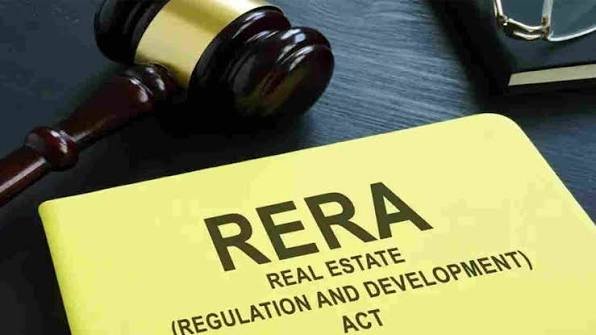
RERA vs. DLD: Who Does What
The two bodies work together but handle different jobs.
- The Dubai Land Department (DLD) is responsible for the official records: property registration, title deeds, ownership transfers, and Oqood registrations for off-plan sales.
- RERA is the regulatory and licensing arm: it licenses real estate professionals, oversees developers and escrow accounts, regulates advertising, and administers the rental framework.
A simple way to remember it: DLD records who owns what, and RERA supervises how the market behaves.
RERA’s Core Responsibilities
1. Licensing and regulating real estate professionals
- RERA licenses brokers and brokerage firms, and every agent must hold a valid Broker Registration Number (BRN) to practice legally.
- Only licensed brokers may advertise or sell property in Dubai.
- It also accredits and supervises property management companies, valuers, and escrow trustees, and maintains the Dubai Brokers Register.
2. Regulating developers and off-plan projects
- Developers must register projects, open an escrow account, and obtain approvals, including an Off-Plan Sale Permit, before selling units.
- RERA monitors construction progress through periodic inspections and enforces timelines, with powers to intervene or cancel projects in serious cases.
3. Escrow account oversight
- Under Law No. 8 of 2007, buyer payments for off-plan units must go into a project-specific escrow account at a RERA/DLD-approved bank.
- RERA approves the escrow agents and supervises how funds are released against verified construction milestones, which is a central protection for off-plan buyers.
4. Regulating advertising: Trakheesi and Madmoun
- Every property advertisement, online, in print, or on a billboard, must carry a Trakheesi permit number, a marketing authorization issued through the DLD’s Trakheesi system under RERA supervision.
- Listings also carry a Madmoun QR code, letting you verify in real time that the advertisement permit is genuine and helping you avoid fake or “ghost” listings.
- Trakheesi also handles broker and agency licences and agent e-cards.
5. Regulating rentals: Ejari and the Rental Index
- Ejari (“my rent”) is RERA’s system for registering tenancy contracts, mandatory for residential and commercial leases and required for services like DEWA connection and residence visas.
- RERA publishes the Rental Index, which determines how much rent can legitimately increase at renewal under Decree No. 43 of 2013, and standardizes tenancy contracts.
- The landlord-tenant framework rests on Law No. 26 of 2007 (as amended), which sets out the rights and duties of both sides.
6. Owners associations and community governance
- RERA oversees owners associations and rules around jointly owned property, including service charges and how common areas are managed, protecting owners in shared buildings.
7. Education, policy, and market transparency
- RERA formulates policies and legislation, licenses real estate exhibitions, and runs awareness campaigns so buyers, sellers, landlords, and tenants understand their rights and obligations.
- It publishes market data and works to build international partnerships supporting Dubai’s role as a global property hub.
Digital Tools Powered by RERA and DLD
- Dubai REST app: the official app for property services, including title deed verification, the rental index, Ejari, and access to your digital document vault.
- Dubai Brokers app / Broker Register: lets you verify that an agent and their office are licensed.
- Trakheesi and Madmoun: for advertising permits and listing verification.
What RERA Means for You in Practice
If you’re buying:
- Confirm your agent has a valid BRN and the advert carries a valid Trakheesi/Madmoun code.
- For off-plan, confirm the project is RERA-registered and that payments go to the official escrow account.
- Verify the title deed through the DLD tools before paying.
If you’re renting:
- Make sure your lease is registered on Ejari, since this unlocks utilities, visa processing, and access to the dispute process.
- Use the Rental Index to check whether a proposed rent increase is lawful.
If you’re a landlord or investor:
- Register tenancies, follow notice and increase rules, and work only with licensed brokers and property managers.
What to Do If Something Goes Wrong
- Disputes with a broker or developer: RERA handles complaints and enforces regulations, and can discipline licensed professionals who breach the rules.
- Rental disputes: these are typically taken to the Rental Disputes Settlement Centre, where a registered Ejari is generally required to file a case.
- Unlicensed operators: if someone can’t show a valid BRN or permit, treat it as a red flag and walk away.
Frequently Asked Questions
Q1. Is RERA the same as the Dubai Land Department?
A. No, RERA is the regulatory arm of the DLD; the DLD handles property registration and title deeds, while RERA licenses professionals, supervises developers and escrow accounts, and runs the rental framework.
Q2. How can I check whether a real estate agent is properly licensed?
A. Ask for their Broker Registration Number and verify it through the DLD’s broker register or the Dubai Brokers app, and check that the property advert carries a valid Trakheesi permit or Madmoun QR code.
Q3. Does RERA guarantee that my off-plan project will be finished on time?
A. No, RERA supervises registration, escrow, and construction progress and can intervene on unjustified delays, but it doesn’t guarantee delivery dates, so review the contract’s delay provisions and the developer’s track record.
Q4. Why does RERA regulate advertising?
A. Mandatory advertising permits help prevent fake or misleading listings, ensuring that every property advertised is genuine and promoted by a licensed party, which protects buyers and tenants from scams.