 By Saurav Mehra
Buying off-plan in Dubai means purchasing a property before it’s built or while it’s still under construction, and paying for it in stages rather than all at once. It’s one of the most popular routes into the Dubai market because of lower entry prices and flexible payment plans, but it comes with risks that a ready property doesn’t have. Dubai also has some of the stronger buyer protections of any major off-plan market, built around mandatory escrow accounts and government registration. Understanding both the protections and their limits is what separates a confident purchase from an expensive surprise.
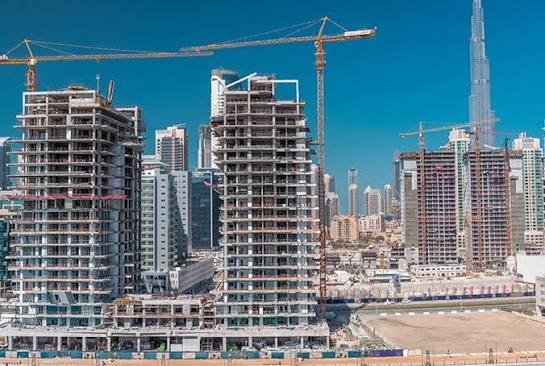
How the Off-Plan Process Works
Every off-plan purchase in Dubai follows a set legal sequence:
- Choose a project and verify it. The developer must have the project registered with the Dubai Land Department (DLD) and its regulator, the Real Estate Regulatory Agency (RERA), which grants the Off-Plan Sale Permit and approves the project’s escrow account.
- Reserve a unit. You pay a booking deposit to secure your chosen unit.
- Sign the Sale and Purchase Agreement (SPA). This contract sets out the price, payment schedule, specifications, and the expected handover date.
- Pay into the escrow account. Your instalments go into the project’s dedicated escrow account, not the developer’s operating account.
- Register through Oqood. The DLD records your contract in its interim register, which protects your rights until a title deed exists. The 4% DLD fee is paid at this stage.
- Track construction through the payment schedule and the DLD’s project status information.
- Inspect and snag, then complete. Once the building is finished, you pay the balance, inspect the unit, and receive the title deed in your name.
The Escrow Account: Your Main Protection
This is the single most important safeguard in Dubai’s off-plan system.
- Under Dubai Law No. 8 of 2007, every developer selling off-plan must open a project-specific escrow account at a RERA/DLD-approved bank, and all buyer payments must be deposited there.
- The developer can’t freely withdraw the money. Funds are released in stages that match construction milestones, after the account trustee’s engineer inspects the site and certifies progress, with RERA oversight.
- Because the money is ring-fenced, the undrawn balance is protected from the developer’s other creditors.
- If a project stalls or is cancelled, RERA has authority to freeze the account and direct the escrow agent to refund buyers from the remaining balance.
The key thing to confirm: your SPA should direct payments to the project’s escrow account, not a personal, agent, or general company account. If it doesn’t, stop and ask questions before paying anything.
How Payment Plans Work
There’s no regulatory template, so each developer sets its own terms. Common structures include:
- Construction-linked plans: instalments fall due as the building reaches milestones, so payments naturally slow if construction slows.
- Time-based plans: payments follow fixed calendar dates regardless of progress.
- The “1% per month” model: after a down payment of roughly 10% to 20%, you pay 1% of the price each month until handover and sometimes beyond.
- Down payment plus balloon: smaller early instalments with a large final payment at handover (for example, a 60/40 or 80/20 split).
- Post-handover plans: a portion of the price, sometimes substantial, is paid after you receive the keys, which can ease cash flow but needs careful underwriting.
Whatever the plan, treat it as a binding schedule of obligations, and ask what happens if your circumstances change midway through.
Costs to Budget For
- DLD registration (Oqood) fee: 4% of the property value, paid upfront, plus developer and administrative fees (commonly in the low thousands of dirhams).
- Agent commission: usually paid by the developer on off-plan sales, unlike resale purchases.
- Snagging inspection before handover (typically AED 800 to AED 2,500) if you hire a specialist.
- Service charges that generally begin at handover.
- If you’re financing, mortgages on off-plan properties are limited, with lower loan-to-value caps (often cited around 50%) than on ready homes, so many buyers rely on the developer’s payment plan until completion.
What Buyers Should Watch Out For
Escrow protects your money but doesn’t remove every risk. The main ones are:
- Construction delays. Handover dates are estimates, and delays are the most common complaint. Escrow doesn’t compensate you for lost time or missed rental income.
- Build quality. The finished unit can differ from the renders and brochures, which is why a thorough snagging inspection matters.
- Market risk at handover. Prices or rents in the area may have moved, and oversupply in some communities can affect values.
- Developer track record. An unfamiliar developer with a history of late delivery is a bigger risk than an established one.
- Unregistered or off-market deals. A project without RERA registration has no escrow account and no buyer protection.
What Happens If You Miss a Payment or the Project Is Delayed
- If you default, RERA’s rules cap how much a developer can retain on cancellation depending on how complete the project is, so buyers aren’t left entirely unprotected, but you can still lose a meaningful portion of what you’ve paid.
- If the developer delays unreasonably or abandons the project, RERA monitors progress, can intervene, and in serious cases can cancel the project and oversee refunds through the escrow account, referring complex cases to the dedicated tribunal.
A Practical Due Diligence Checklist
- Confirm the project is registered with RERA/DLD and check its status on the DLD website or Dubai REST app.
- Verify the escrow account details in your SPA match the official project account.
- Research the developer’s delivery history, including past projects and any delays.
- Read the SPA closely, especially the handover date, delay remedies, specification list, and resale or assignment terms.
- Visit the site or request recent construction updates and photos.
- Understand how the Oqood registration will be completed in your name.
- Plan for the balance due at handover, which can be large.
Frequently Asked Questions
Q1. Is buying off-plan in Dubai safe?
A. It’s considerably safer than in the past thanks to mandatory RERA escrow accounts and Oqood registration, provided you buy from a registered developer and verify the escrow arrangements, though delay, quality, and market risks remain.
Q2. Can I sell an off-plan property before handover?
A. Often yes, through an assignment of the contract, but developers commonly set conditions, such as a minimum percentage of the price already paid and administrative fees, so check your SPA before assuming you can resell.
Q3. Do I pay the 4% DLD fee again at handover?
A. No, the 4% is paid once at Oqood registration, and the Oqood converts into a title deed at completion with only minor administrative fees.
Q4. What if my handover is delayed?
A. Escrow protects your funds, and RERA can intervene on significant unjustified delays, but your remedies depend on your SPA terms, so review the delay provisions carefully and keep records of all developer communications.