 By Sachin Sahu
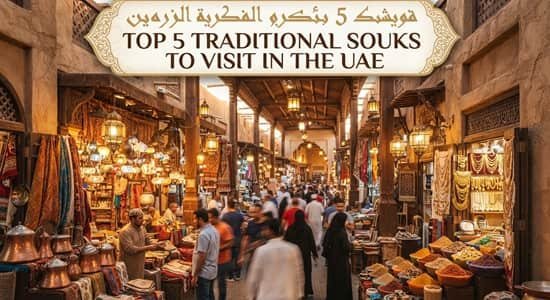
Shopping in the UAE existed long before its giant malls and luxury retail districts. Traditional souks developed around trading communities where merchants dealt in gold, spices, textiles, perfumes and everyday goods. Several of these markets remain active today, especially around the historic districts of Dubai and Sharjah.
For travellers, the appeal is not only shopping. A souk visit can include an abra ride across Dubai Creek, narrow lanes filled with spice aromas, jewellery windows packed with gold, conversations with local merchants and historic architecture. Dubai’s Gold and Spice Souks are the classic first-time choices, while Souk Al Arsah in Sharjah offers a stronger heritage atmosphere.
Best Traditional Souks in the UAE at a Glance
| Souk | Emirate | Best Known For |
|---|---|---|
| Dubai Gold Souk | Dubai | Gold and jewellery |
| Dubai Spice Souk | Dubai | Spices, herbs and dried goods |
| Textile Souk | Dubai | Fabrics, scarves and tailoring |
| Souk Al Arsah | Sharjah | Heritage and traditional atmosphere |
| Souk Al Jubail | Sharjah | Fish, produce and local market life |
1. Dubai Gold Souk – Best for Gold and Jewellery
The Gold Souk is one of the places where Dubai’s history as a trading centre remains immediately visible.
Located in Deira, the market contains a dense concentration of jewellery retailers displaying gold in windows throughout its covered lanes. Visitors can find everything from relatively simple pieces to elaborate necklaces, bracelets and bridal jewellery.
Gold is the main attraction, but shops can also carry diamonds, precious stones and other jewellery.
Even travellers with no intention of buying anything can enjoy walking through the market simply because the quantity and variety of jewellery create a shopping environment unlike a conventional mall.
Why Visit Dubai Gold Souk?
- Huge selection of gold jewellery
- Traditional Deira setting
- Easy to explore on foot
- Jewellery in numerous designs
- Close to other old Dubai attractions
- Interesting even without making a purchase
When purchasing gold, buyers should understand that the final price is not determined only by the day’s gold rate. Making charges, design complexity and other components can affect the amount paid.
Always request a proper invoice and check the details of the item before completing an expensive purchase.
Best for: Jewellery shoppers and first-time visitors exploring old Dubai.
2. Dubai Spice Souk – Best for Aromas and Local Shopping
A short distance from the Gold Souk, Dubai’s Spice Souk provides a completely different sensory experience.
Instead of jewellery displays, shops are filled with sacks, containers and shelves holding colourful spices, herbs, dried fruits, teas and other products.
Commonly encountered goods can include:
- Saffron
- Cardamom
- Cinnamon
- Turmeric
- Dried lemons
- Nuts
- Dates
- Herbal teas
- Incense
The exact selection differs from shop to shop.
The market reflects Dubai’s long-established trading connections with India, Iran and other parts of Asia and the Middle East.
Why Visit Dubai Spice Souk?
- Traditional spice shops
- Colourful displays
- Saffron and dried herbs
- Nuts and dried fruits
- Close to Dubai Creek
- Easy to combine with the Gold Souk
If buying higher-priced products such as saffron, compare quality and prices between several sellers rather than accepting the first offer.
Small quantities can also make more practical souvenirs than buying large packs simply because they appear inexpensive.
Best for: Food lovers, photographers and souvenir shopping.
3. Textile Souk – Best for Fabrics and Colourful Shopping
Crossing Dubai Creek from Deira changes the character of the old-city shopping experience.
The Textile Souk is located around Bur Dubai’s historic trading area. Its shops specialise in fabrics, clothing materials, scarves and related products.
Visitors can find textiles in numerous colours and patterns, including cotton, silk-like fabrics, embroidered materials and decorative fabrics used for clothing or interiors.
Some shops also sell ready-made garments and accessories.
One of the best ways to reach the area is by taking a traditional abra across Dubai Creek. The short boat ride connects the market experience with the historic waterway that helped Dubai grow as a trading settlement.
Why Visit the Textile Souk?
- Wide selection of fabrics
- Colourful shop displays
- Traditional Bur Dubai atmosphere
- Tailoring-related shopping
- Close to historic attractions
- Abra access across Dubai Creek
The souk can be combined with the Al Fahidi Historical Neighbourhood and other attractions around old Dubai, creating a much broader heritage itinerary.
Best for: Fabric shoppers, photographers and visitors exploring historic Dubai.
4. Souk Al Arsah – Best for Heritage Atmosphere
Not every traditional souk experience in the UAE is in Dubai.
Souk Al Arsah in Sharjah is particularly interesting for travellers who care about history and traditional architecture.
Located in the Heart of Sharjah heritage area, it is associated with the emirate’s historic trading culture. The covered market has been restored while retaining architectural features intended to reflect the traditional souk environment.
Shops can offer products such as handicrafts, perfumes, incense, traditional goods and souvenirs.
Compared with Dubai’s Gold Souk, the experience is less about the sheer scale of commercial activity and more about the historical setting.
Why Visit Souk Al Arsah?
- Traditional architecture
- Historic Sharjah setting
- Handicrafts and souvenirs
- Perfumes and incense
- Covered walkways
- Close to museums and heritage attractions
Its location makes it particularly useful as part of a wider Heart of Sharjah visit rather than as an isolated shopping stop.
Best for: Heritage enthusiasts and visitors who prefer traditional architecture to modern malls.
5. Souk Al Jubail – Best for Everyday Market Life
Souk Al Jubail offers something different from souvenir-focused markets.
Located in Sharjah, it is a large modern market built around the traditional idea of shopping for fresh food and everyday ingredients.
Its sections include fish, meat, fruit and vegetables. The fish market is particularly well known, with a broad range of seafood sold by vendors.
The building itself is much newer and more organised than an old labyrinth-style souk, but the experience still provides insight into local food shopping.
Why Visit Souk Al Jubail?
- Fresh fish and seafood
- Fruit and vegetables
- Everyday local shopping atmosphere
- Large organised market
- Waterfront location
- Useful stop for food enthusiasts
This is the market to choose when you are more interested in how residents shop for food than in buying conventional tourist souvenirs.
Visitors who dislike the sights or smells associated with fresh fish markets may prefer the Gold, Spice or Al Arsah souks.
Best for: Food enthusiasts and travellers interested in everyday market culture.
How to Explore Dubai’s Souks in One Trip
The Gold Souk, Spice Souk and Textile Souk can be combined particularly well because they sit around the historic Dubai Creek area.
A practical route is to begin in Deira, exploring the Gold Souk and Spice Souk on foot.
From there, walk towards Dubai Creek and take an abra to the Bur Dubai side.
The boat ride is short, but it provides an important connection between the two historic trading districts.
Once across the creek, continue towards the Textile Souk and the wider old Dubai area.
This approach turns three markets into one heritage-focused half-day rather than three separate shopping trips.
Is Bargaining Acceptable in UAE Souks?
Negotiation is common in many traditional market shops, particularly for products without clearly fixed prices.
However, bargaining should remain polite.
Rather than demanding an extreme discount, compare several sellers, understand the approximate market price and negotiate reasonably.
Gold requires extra attention because part of the price reflects the prevailing gold value, while elements such as making charges may offer a different degree of negotiation.
For spices, textiles and souvenirs, comparing multiple shops is often the easiest way to understand what constitutes a reasonable price.
Best Time to Visit Traditional Souks
Late afternoon and evening can be particularly enjoyable because temperatures are generally more comfortable and market areas often feel livelier.
During the cooler months, exploring the surrounding streets on foot is also easier.
Opening hours vary by market, shop, weekday, prayer periods, holidays and season. Some businesses may also close for part of the afternoon.
Visitors should therefore check current timings for the specific souk before travelling rather than assuming every shop follows identical hours.
What Should You Buy?
Each market has its own strength.
For jewellery, head directly to the Gold Souk.
For spices, dried fruits and aromatic products, the Spice Souk offers the greatest variety.
The Textile Souk is more appropriate for fabrics and scarves, while Souk Al Arsah suits travellers looking for handicrafts, incense and heritage-style souvenirs.
Souk Al Jubail is less about souvenirs and more about experiencing a working food market.
The best purchase is not necessarily the most expensive one. Small packets of spices, textiles or locally associated fragrances can often make more practical travel souvenirs than large decorative products.
FAQs
Q1. Which is the most famous traditional souk in the UAE?
A. Dubai Gold Souk is probably the UAE’s best-known traditional market internationally. It is located in Deira and is famous for its concentration of gold and jewellery retailers.
Q2. Can I visit Dubai Gold Souk and Spice Souk together?
A. Yes. The two markets are located close to each other in Deira and can easily be explored during the same visit. You can then cross Dubai Creek by abra to continue towards the Textile Souk in Bur Dubai.
Q3. Is bargaining allowed in Dubai souks?
A. Polite bargaining is common at many traditional shops, particularly for textiles, spices and souvenirs. For gold jewellery, understand the gold rate and other price components such as making charges before negotiating.
Q4. Which traditional souk is best to visit in Sharjah?
A. Souk Al Arsah is an excellent choice for visitors interested in heritage and traditional architecture. Souk Al Jubail is better for travellers who want to experience a large working food and seafood market.
Q5. What is the best time to visit UAE souks?
A. Late afternoon and evening are often convenient, particularly during cooler months. Individual shop and market hours vary, so check current opening times before visiting.