 By Sachin Sahu
 Some heart conditions cannot be managed with medicines or minimally invasive procedures alone. When the heart’s structure needs direct repair, cardiothoracic surgery becomes necessary. Knowing what the surgery involves and where to have it done makes the process far less daunting.
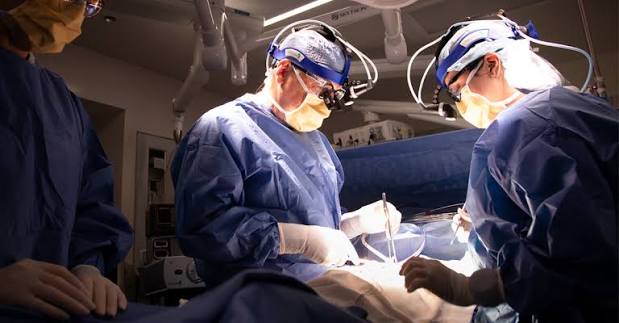
What Is Cardiothoracic Surgery?
Cardiothoracic surgery focuses on diseases affecting the heart, lungs, and blood vessels in the chest. It includes procedures such as bypass surgery, heart valve repair, and aortic surgery. Depending on the condition, surgeons may use minimally invasive techniques that involve smaller incisions and may allow a quicker recovery than traditional open surgery.
Common Conditions Treated by Cardiothoracic Surgeons
Cardiothoracic surgeons manage a wide range of structural heart problems, including:
- Severe coronary artery blockages
- Heart valve disease (narrowing or leakage)
- Aortic aneurysms and dissections
- Congenital heart defects
- Cardiac tumours
- Heart failure requiring surgical support devices
The surgical plan depends on which of these applies, and how far it has progressed.
When Should You See a Cardiothoracic Surgeon?
A referral to a cardiothoracic surgeon usually follows specific findings or symptoms:
- Severe chest pain unrelieved by medication
- Breathlessness that worsens despite treatment
- A diagnosed valve problem causing symptoms
- An enlarged or weakened aorta found on imaging
- Coronary blockages unsuitable for stenting
- Heart failure that has not responded to other treatments
Your cardiologist will refer you for surgical evaluation once these signs appear.
Diagnostic Tests Before Cardiothoracic Surgery
Surgeons rely on detailed imaging and function tests before planning an operation:
- Echocardiogram, to assess valve function and heart structure
- CT angiogram, to map blood vessels and detect aortic abnormalities
- Coronary angiogram, to pinpoint arterial blockages
- Cardiac MRI, for detailed images of heart muscle and chambers
- Pulmonary function tests, to check lung capacity before surgery
Together, these results tell the team which approach is safest.
Types of Cardiothoracic Surgery
Several procedures fall under cardiothoracic surgery, depending on the condition:
- Coronary artery bypass grafting (CABG) reroutes blood around blocked arteries
- Valve repair or replacement corrects narrowed or leaking valves
- Aortic surgery repairs or replaces a weakened section of the aorta
- Minimally invasive cardiac surgery uses smaller incisions where suitable
- Heart transplant is reserved for advanced, end-stage heart failure
Which one applies depends on the test results and how the patient is coping day to day.
What Happens During the Procedure
Cardiothoracic surgery is more involved than catheter-based treatments:
- Surgery is performed under general anaesthesia
- A heart-lung machine may support circulation during certain operations
- Procedure length varies from two to six hours, depending on complexity
- Patients typically spend time in intensive care immediately afterwards
- Hospital stays usually range from five to ten days
Heart function is checked continually while the patient remains in hospital.
How to Choose the Right Cardiothoracic Surgeon and Hospital in Dubai
Outcomes in cardiothoracic surgery depend heavily on surgical expertise and hospital infrastructure. When looking for the best cardiothoracic surgery Dubai has to offer, consider:
- Board-certified surgeons with specific training in complex cardiac procedures
- An advanced and dedicated cardiac intensive care unit
- Access to heart-lung bypass technology and modern operating theatres
- A multidisciplinary team, including anaesthetists and rehabilitation specialists
- Transparent discussion of surgical risks and expected recovery
- Structured post-operative follow-up care
For patients based in the southern parts of the city, a well-equipped hospital in Jebel Ali offers the same standard of cardiac surgical care without the need to travel across Dubai. Proximity matters during a lengthy recovery period, particularly for follow-up visits and cardiac rehabilitation.
Recovery and Long-Term Heart Health
Recovery from cardiothoracic surgery takes longer than catheter-based procedures:
- Follow all wound care instructions carefully
- Attend cardiac rehabilitation sessions as advised
- Gradually increase activity under medical guidance
- Take prescribed medications, including blood thinners, exactly as directed
- Report fever, unusual swelling, or chest pain promptly
- Manage related conditions such as diabetes and high blood pressure
Most patients return to normal activities within six to twelve weeks, depending on the procedure.
The Bottom Line
When medicines and stenting cannot fix a structural heart problem, cardiothoracic surgery is what’s left. Catching symptoms early and getting a surgical opinion sooner rather than later tends to make the operation safer and the recovery shorter. What matters most in a hospital, whether in central Dubai or in Jebel Ali, is experienced surgeons, solid intensive care, and proper follow-up once you’ve gone home.
Frequently Asked Questions
Q: What conditions require cardiothoracic surgery?
A: Cardiothoracic surgery treats severe coronary blockages, valve disease, aortic aneurysms, congenital heart defects, and advanced heart failure. Surgeons choose a specific procedure based on the exact condition and its severity.
Q: Is cardiothoracic surgery the same as open-heart surgery?
A: Not always. Traditional open-heart surgery is one type of cardiothoracic surgery, but many procedures now use minimally invasive techniques with smaller incisions and shorter recovery times.
Q: How long is the recovery after cardiothoracic surgery?
A: Most patients spend five to ten days in hospital, followed by six to twelve weeks of gradual recovery at home. Cardiac rehabilitation supports a safe return to normal activity.
Q: How do I choose the best cardiothoracic surgery in Dubai?
A: Look for surgeons with specialist training, a dedicated cardiac intensive care unit, modern operating theatres, and structured follow-up care. These factors matter most for both safety and recovery.
Q: Is there a hospital in Jebel Ali for cardiac surgery?
A: Yes. Residents of Jebel Ali and surrounding areas can access advanced cardiothoracic care locally, avoiding long travel during a demanding recovery period. Confirm facility-specific services directly with the hospital.