 By Sachin Sahu
 The United Arab Emirates is globally recognized for its futuristic skyline, luxury attractions, and architectural marvels. However, beyond its modern cities lies a fascinating history that stretches back thousands of years. Ancient forts, archaeological sites, restored villages, and UNESCO World Heritage landmarks offer visitors a unique opportunity to explore the country’s rich cultural heritage and learn about the traditions that shaped the Emirates long before the discovery of oil.
In 2026, historical tourism continues to play an important role in the UAE’s travel industry, with significant investments in heritage conservation, museum development, and archaeological research. Whether you’re a history enthusiast, a cultural traveler, or simply looking to discover another side of the UAE, these heritage sites are well worth visiting.
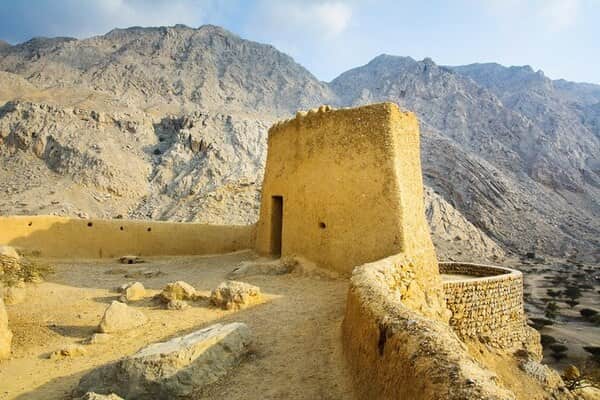
1. Al Ain Oasis, Abu Dhabi
Recognized as part of the UNESCO World Heritage Site of Al Ain, Al Ain Oasis is one of the UAE’s most significant historical landmarks. Covering more than 1,200 hectares, the oasis features over 147,000 date palm trees and an ancient falaj irrigation system that has sustained agriculture in the region for centuries.
Highlights
- UNESCO World Heritage status
- Traditional falaj irrigation system
- Walking and cycling paths
- Eco-Centre visitor experience
- Date palm plantations
Why Visit?
- Experience traditional Emirati agriculture
- Learn about ancient irrigation techniques
- Peaceful natural surroundings
- Educational exhibits for families
The oasis provides an excellent introduction to the region’s agricultural history and sustainable water management.
2. Al Fahidi Historical Neighbourhood, Dubai
Located along Dubai Creek, Al Fahidi Historical Neighbourhood (formerly Bastakiya) offers a glimpse into Dubai before its transformation into a global metropolis. Dating back to the late 19th century, the district is known for its narrow lanes, traditional wind-tower houses, museums, art galleries, and cultural centers.
Main Attractions
- Traditional Emirati houses
- Wind tower architecture
- Art galleries
- Dubai Museum surroundings
- Cultural exhibitions
- Heritage cafés
Why It’s Popular
- Authentic old Dubai atmosphere
- Excellent photography opportunities
- Rich cultural experiences
- Walking-friendly heritage district
It remains one of Dubai’s most visited cultural attractions.
3. Qasr Al Hosn, Abu Dhabi
Built in the late 18th century, Qasr Al Hosn is the oldest standing stone building in Abu Dhabi and served as the residence of the ruling family for many years. Today, it functions as a museum showcasing the history, governance, and cultural development of the emirate.
Key Features
- Historic fort
- Heritage museum
- Traditional craft demonstrations
- Interactive exhibitions
- Cultural festivals
Why Visit?
- Learn about Abu Dhabi’s origins
- Beautiful restored architecture
- Family-friendly educational exhibits
- Traditional Emirati craftsmanship
The fort stands as a symbol of the UAE’s remarkable journey from a coastal settlement to a modern nation.
4. Mleiha Archaeological Centre, Sharjah
The Mleiha Archaeological Centre is one of the UAE’s most important archaeological destinations. The site contains evidence of human settlement dating back more than 100,000 years and showcases discoveries from the Bronze Age, Iron Age, and pre-Islamic periods. Visitors can explore ancient tombs, fossils, and interactive exhibits that reveal the region’s long and fascinating history.
Highlights
- Ancient burial sites
- Archaeological museum
- Fossil discoveries
- Desert heritage tours
- Guided educational experiences
Why Visit?
- Discover prehistoric UAE
- Interactive learning opportunities
- Stunning desert landscape
- Excellent family attraction
The centre offers one of the most comprehensive archaeological experiences in the country.
5. Dhayah Fort, Ras Al Khaimah
Perched on a hilltop overlooking date palm plantations, Dhayah Fort is the UAE’s only surviving hill fort. Built in the 16th century, it played an important role in defending the region and was the site of a significant battle during the early 19th century.
Visitors who climb the stone staircase are rewarded with panoramic views of the surrounding mountains, farms, and coastline.
Main Attractions
- Historic hill fort
- Panoramic mountain views
- Traditional architecture
- Historical battle site
- Scenic photography
Why It’s Worth Visiting?
- Unique elevated location
- Rich military history
- Beautiful natural surroundings
- Excellent hiking opportunity
Dhayah Fort is one of the UAE’s most distinctive historical landmarks.
Best Time to Visit
The most comfortable months to explore heritage sites are October to April, when cooler temperatures make outdoor sightseeing more enjoyable.
For the best experience:
- Visit in the morning or late afternoon.
- Wear comfortable walking shoes.
- Carry drinking water and sunscreen.
- Check opening hours before your visit.
Many heritage attractions also host seasonal festivals, cultural events, and guided tours.
Why Visit Historical Heritage Sites?
Exploring the UAE’s historical landmarks allows visitors to:
- Understand Emirati culture and traditions
- Learn about ancient civilizations
- Experience traditional architecture
- Discover archaeological treasures
- Support heritage conservation
- Enjoy educational family outings
These sites provide a fascinating contrast to the country’s modern urban landscape.
Conclusion
The UAE’s historical heritage sites reveal a rich cultural legacy that extends far beyond its iconic skyscrapers and luxury developments. Whether you’re walking through the tranquil Al Ain Oasis, exploring the traditional streets of Al Fahidi Historical Neighbourhood, discovering the legacy of Qasr Al Hosn, uncovering ancient civilizations at Mleiha Archaeological Centre, or climbing the historic Dhayah Fort, each destination offers a unique perspective on the nation’s remarkable past.
If you’re planning a cultural journey through the UAE in 2026, these five heritage sites should be at the top of your itinerary. Together, they showcase the country’s commitment to preserving its history while sharing its rich traditions with visitors from around the world.
FAQs
1. Which UNESCO World Heritage Site should I visit in the UAE?
Al Ain Oasis, part of the UNESCO-listed Cultural Sites of Al Ain, is one of the country’s most significant historical attractions and offers insights into ancient irrigation systems and traditional agriculture.
2. Which heritage site is best for learning about old Dubai?
Al Fahidi Historical Neighbourhood is the best place to experience Dubai’s traditional architecture, narrow alleyways, museums, and cultural heritage.
3. What is the oldest building in Abu Dhabi?
Qasr Al Hosn is the oldest standing stone building in Abu Dhabi and serves as an important cultural and historical museum.
4. When is the best time to visit UAE heritage sites?
The cooler months from October to April are ideal for exploring outdoor historical sites and participating in heritage festivals and guided tours.
5. Are UAE heritage sites suitable for families?
Yes. Most heritage attractions feature museums, interactive exhibitions, guided tours, cultural demonstrations, and educational activities that make them enjoyable for visitors of all ages.